
Do You Need a Permit for Roof Replacement? What Homeowners Should Know
In most Northern Virginia jurisdictions, a full roof replacement needs a building permit while minor repairs often do not. Here is how permitting works, what it costs, and who should handle it.
Quick Answer — Permit Basics
- Most jurisdictions require a permit for a full roof replacement; small repairs are often exempt.
- Your contractor should pull the permit, schedule inspections, and provide a certificate of completion.
- Permits typically cost $50–$300 and are often a bid line item.
- Skipping one risks fines, stop-work orders, denied claims, and disclosure problems at sale.
- HOA approval is separate — you usually need both, and neither substitutes for the other.
When Is a Roofing Permit Required?
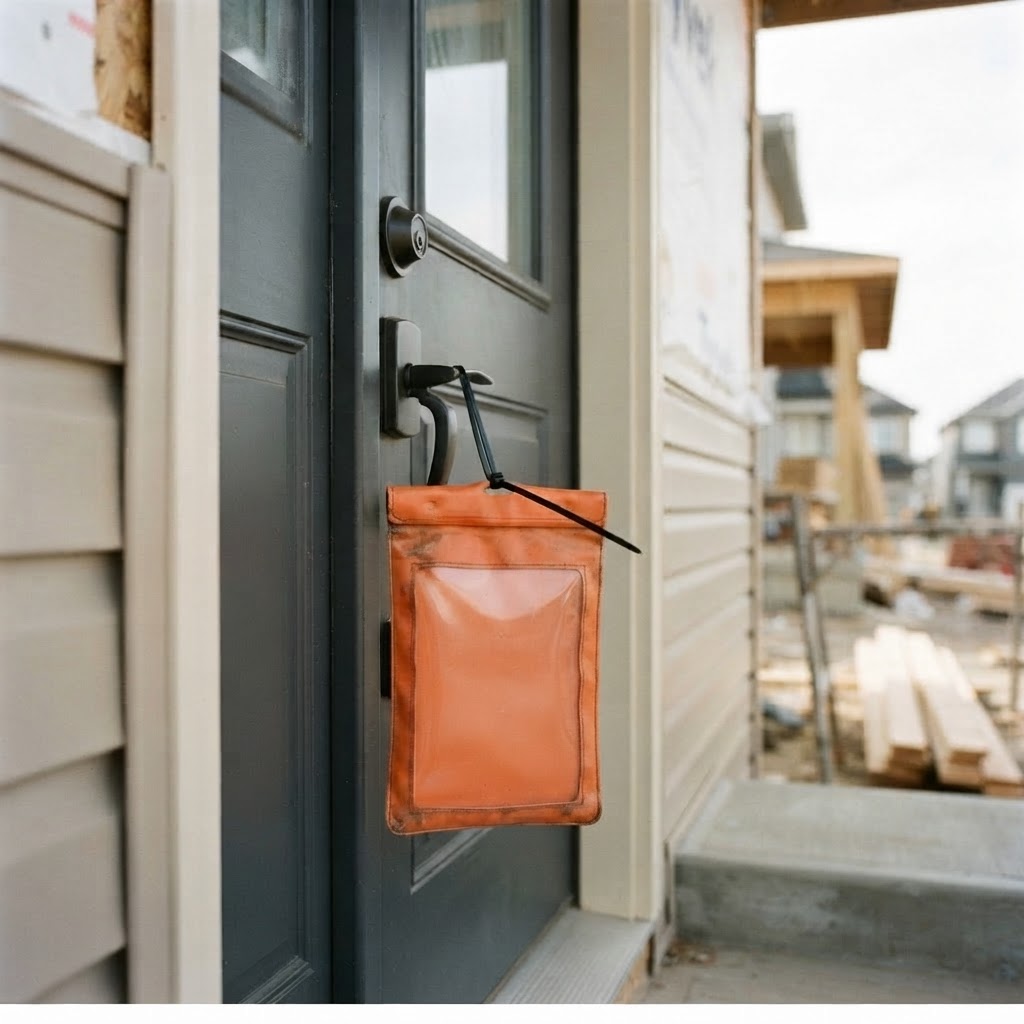
Across most of Northern Virginia, a full tear-off and replacement needs a building permit, and so does work that touches the structure — replacing sheathing, reframing, or cutting in a skylight. Fairfax County, Arlington, Loudoun, Prince William, and the region’s independent cities each write their own rules on top of the state baseline, so the answer can change at the county line.
Minor work is often exempt. Small spot repairs, like-for-like patching, and gutter replacement frequently fall under a threshold that lets a homeowner proceed without paperwork — but the thresholds differ by jurisdiction, and “minor” is defined locally, not by the size of your invoice. Never assume a repair is exempt just because it is small.
| Scenario | Typical Requirement | Why It Matters |
|---|---|---|
| Full tear-off replacement | Permit required in most jurisdictions | Confirms code compliance and inspections |
| Overlay over one existing layer | Permit plus two-layer limit in many areas | Weight and fastening limits apply |
| Minor repair or patching | Often exempt; verify locally | Thresholds are set by each jurisdiction |
| Decking or sheathing replacement | Permit with structural check | Confirms framing carries the covering |
| Skylight or structural change | Permit and fuller plan review | Load and flashing details reviewed |
| HOA exterior change | Architectural approval, separate from the permit | Covers color and material standards |
The safe habit costs one phone call: ask your building department whether the work you are planning needs a permit. Reputable contractors make that call as routine step one — one more reason to hire locally.
Why Do Roofing Permits Exist?
A residential roof is a system, and the International Residential Code (IRC) specifies how that system goes together: fastener type and nailing patterns, underlayment and ice-barrier details at eaves and valleys, flashing at walls and penetrations, attic ventilation, and the fire classification of the covering. Local amendments adapt those rules to regional climate. The permit exists so someone besides the seller of the work confirms the code was followed.
Structural verification matters more than homeowners expect. An inspector confirms the framing can carry the covering — including any overlay — and that rotten or undersized sheathing is corrected, not covered. On a tear-off, that check happens with the deck exposed.
What Does a Roofing Inspector Actually Check?
Expect the inspector to verify the materials match the permitted scope, check fastening and underlayment where visible, and confirm flashing, ventilation, and deck condition meet code. Some jurisdictions inspect after tear-off and again at final completion. It is a practical review, not a trick test — and the only look at your roof that is not trying to sell you anything.
An inspection is the one look at your roof that is not trying to sell you anything. It simply confirms the work matches the code your home has to live by.
— Sam Construction Group USA, Fairfax roofing & restoration team
What Happens if You Replace a Roof Without One?
The financial consequences stack quickly. Jurisdictions assess fines that can multiply while the violation stands, and retroactive permits typically cost more than doing it right the first time. If the covered work cannot be verified, the corrected project may require removing brand-new roofing — the worst possible version of paying twice.
What Is a Stop-Work Order?
A stop-work order is exactly what it sounds like: an inspector legally halts the project on the spot. Work stays frozen until the permit is obtained, fees and fines are paid, and any covered-up work is exposed for inspection — which, on a roof, can mean tearing off new shingles to show the deck beneath.
Insurance is the quieter risk. After a storm, a claims adjuster asks when the roof was replaced and whether the work was permitted; unpermitted work gives the carrier grounds to reduce or deny a claim, right when you need the policy most. The same question follows you to the closing table, where disclosure of unpermitted work is required in most jurisdictions and buyers’ lenders can balk at the gap in the paper trail.
After a storm, adjusters ask two questions first: when was the roof replaced, and was it permitted? Unpermitted work makes every claim slower and harder.
— Sam Construction Group USA, permits & insurance team
Who Is Responsible for Pulling the Permit?
The permit is tied to the license. When a licensed contractor pulls the permit, the local building department knows exactly who is accountable, the contractor schedules the inspections, and any corrections land on the company responsible for the work — which is precisely where you want them. The permit number also becomes part of your home’s permanent record.
Homeowner-pulled permits flip that arrangement. Pulling the permit yourself makes you the responsible party for code compliance, and some contractors push the paperwork onto homeowners precisely to dodge accountability, insurance questions, or the license check that comes with an application. If you hear “it’s cheaper if you pull it,” hear “I may not be licensed.”
When the job wraps, keep these documents together in one folder:
- A copy of the permit and the approved scope of work.
- Records of each passed inspection.
- The certificate of completion or final approval from the building department.
- The final invoice and signed lien waivers.
- All warranty documents, both product and workmanship.
How Long Does Permitting Take?
Many Northern Virginia jurisdictions review straightforward re-roof applications through online portals, and some issue simple permits quickly once the scope and materials are documented. Complex projects — structural changes, decks, or additions wrapped into the roofing work — take longer because they receive a fuller plan review. Busy spring and fall seasons can add days on either end.
From application to certificate of completion, the sequence usually looks like this:
- The contractor submits a permit application with the project scope and material specifications.
- The building department reviews the application against the IRC and local amendments.
- The permit is issued and the fee is paid.
- Inspections happen at the required stages, such as after tear-off and at final completion.
- The final inspection is approved and the certificate of completion is issued.
How Does an Overlay Differ From a Full Tear-Off?
Overlays trade inspection for speed. Because the old roof stays, the contractor cannot see — and you cannot fix — soft decking, and the new shingles sit on a rough surface that can telegraph through over time. The savings are real, but they are usually smaller than they look once you price the shortened lifespan of shingles installed over an old course.
Is One Overlay Allowed?
Usually one. The IRC generally limits asphalt shingle roofs to two total layers, and several jurisdictions — plus many manufacturers’ warranties — go further and require a clean tear-off. Weight, hidden deck damage, and fastening through an old layer all work against overlays. Tear-offs cost more because they do more: haul-away, deck inspection and repairs, fresh underlayment, and new flashing. That is also why a permitted tear-off is the version of the project that produces a clean inspection record and a full manufacturer warranty.
What About HOA Approval and Other Local Requirements?
A permit says the work meets code; HOA approval says it meets the neighborhood. Many Northern Virginia communities require architectural review board sign-off on roof color, material, and profile, and that review can take two to four weeks on its own calendar. Submit sample shingles or panel colors with the application to keep it moving.
A few other local wrinkles are worth a check: historic districts may add design review, some townhome communities specify approved contractors or shared-roof arrangements, and narrow streets can require permission for a dumpster placement. None of it is difficult — it just needs to start before the contract is signed rather than after. Sequence it cleanly: confirm the permit requirement with the building department, start the HOA application in parallel, and give your contractor both answers before materials are ordered.
Roofing Permits — Frequently Asked Questions
Can I replace my own roof without a permit?
A do-it-yourself roof still needs a permit in most jurisdictions — owner-builder rules just change who is accountable, not whether inspections apply. You would schedule and pass the same inspections a contractor would. Check with your building department before the first shingle comes off.
How much does a roofing permit usually cost?
Most residential re-roof permits run about $50 to $300, depending on the jurisdiction and project value. Many contractors include the fee as a line item in the bid. Complex projects with structural work cost more because they receive fuller review.
Do I need a permit just to patch a leaking roof?
Usually not. Small repairs and like-for-like patching are often exempt from permitting, though the exact threshold is set locally. If the repair involves structural members, decking replacement, or a skylight, assume a permit applies and confirm with your building department.
What if I buy a home with an unpermitted roof replacement?
Ask for the disclosure paperwork early, and budget for friction: insurers may scrutinize claims, and lenders can raise questions at closing. In some jurisdictions, the remedy is a retroactive permit and inspection, which is cheaper before problems start. A roofing contractor can help you assess what documentation exists.
Does my HOA’s approval count as the permit?
No. HOA architectural approval covers neighborhood standards like color and material, while the building permit covers code compliance and inspections. You typically need both, and neither substitutes for the other. Start each track separately and keep the paperwork together.
Get the Paperwork Right the First Time
Sam Construction Group USA handles permits, inspections, and HOA documentation for every roof we replace across the Northern Virginia and DMV area. Tell us about your project and we will map the requirements for your address.
☎ (571) 373-6388This article is general information for Northern Virginia property owners and is not a quote or a statement of any specific product’s terms. Costs, lifespans, and savings vary by home, climate, and product line — always confirm specifications for your own project. Free inspections: (571) 373-6388.