
Get Your Roof Ready for Fall & Winter in Northern Virginia
The best time to deal with a winter roof problem is before winter. This is your NoVA seasonal checklist — clear the gutters, stop ice dams before they start, check the flashing, and catch small issues while they’re still cheap to fix.
Quick Answer: Fall Roof Prep
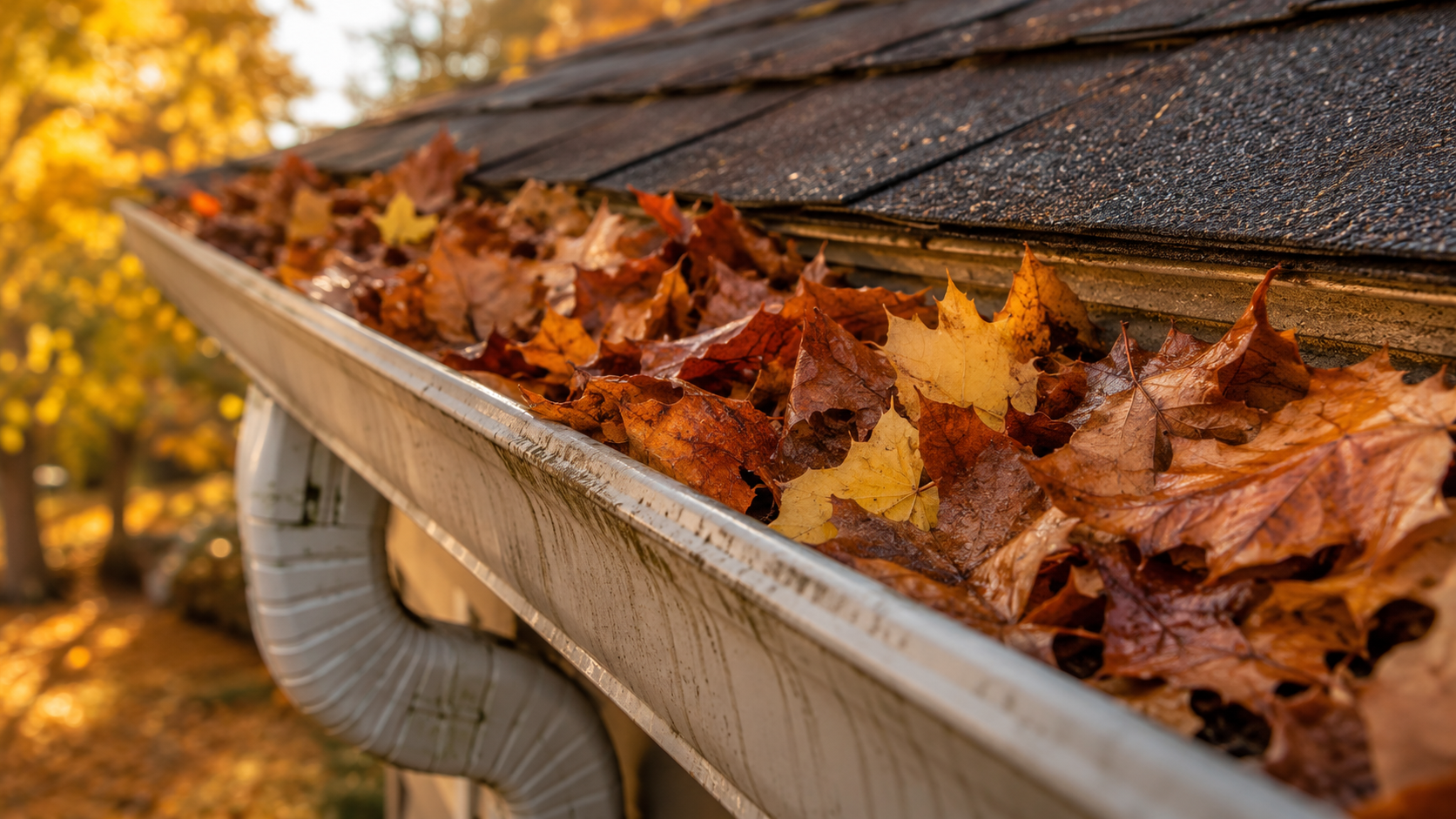
- Clear your gutters and downspouts before the leaves finish falling — clogged gutters are the root of most winter roof trouble, including ice dams.
- Ice dams are preventable. They form when a warm attic melts snow that refreezes at the cold roof edge — so gutters, insulation, and ventilation all play a part.
- Check flashing and shingles now. Small gaps that shrug off a summer rain can fail under freeze-thaw and ice.
- Trim overhanging limbs before ice and snow loads turn them into falling hazards.
- Book a pre-winter inspection. Fall is the ideal window to fix small problems before the freeze makes them big ones.
- Free inspections make it easy — schedule yours with Sam Construction Group at (571) 373-6388.
Northern Virginia winters aren’t brutal, but they’re tricky — a stretch of freezing nights, a snow or ice event or two, and constant freeze-thaw swings that work on every weak point in a roof. The homeowners who sail through winter are the ones who spent an afternoon in the fall getting ready. Here’s exactly what that looks like, from the gutters up.
How do I get my roof ready for fall and winter in Northern Virginia?
Winter-readiness isn’t complicated, but the order and timing matter. Tackle these before the cold sets in:
- Clear gutters and downspouts. Remove leaves and debris so meltwater can actually drain — this is the single most important fall task.
- Inspect flashing and shingles. Look (from the ground) for missing, lifted, or cracked shingles and any loose flashing around chimneys and vents.
- Trim overhanging branches. Limbs heavy with ice or snow break and fall — keep them away from the roof.
- Check attic insulation and ventilation. A properly insulated, ventilated attic is your best defense against ice dams (more below).
- Schedule a professional inspection. A pro finds the hidden issues — worn flashing, small leaks, weak spots — while they’re still easy fixes.
Why do clogged gutters put your roof at risk in winter?
In our region, gutters fill up right when you need them most. Northern Virginia’s heavy tree canopy drops leaves through the fall, and a gutter packed with wet leaves can’t carry away the water from a winter melt. That backed-up water finds its way under the roof edge, refreezes overnight, and starts a cycle that lifts shingles and forces water inside. Clean gutters are cheap insurance; clogged ones are the beginning of most winter roof claims.
What are ice dams, and how do you prevent them?
Ice dams are one of winter’s most damaging — and most misunderstood — roof problems. Here’s the mechanism, because understanding it is the key to preventing it:
- Heat escapes into the attic from the living space below, warming the upper roof deck.
- Snow on the warm upper roof melts and trickles down toward the eaves.
- At the cold overhang, that water refreezes into a growing ridge of ice — the dam.
- Water pools behind the dam and, with nowhere to drain, backs up under the shingles and into the home.
That’s why ice dams are really an attic problem as much as a roof problem. A well-insulated, well-ventilated attic keeps the roof deck cold and uniform, so snow doesn’t melt-and-refreeze in the first place. Pair that with clear gutters, and you’ve removed the conditions ice dams need.
❄️ Never chip ice off your roof
Hacking at an ice dam with a hammer, axe, or shovel damages shingles and gutters and is dangerous on a slick roof. If you have a recurring ice-dam problem, the fix is addressing attic insulation, ventilation, and drainage — not attacking the ice. Call a professional rather than climbing up in winter.
“Almost every winter leak we get called for traces back to something that was visible — and fixable — in October. Fall roof prep isn’t busywork; it’s the cheapest repair you’ll never have to make.”
— Sam Construction Group, Fairfax roofing & restoration team
Want your roof checked before the first freeze?
A free fall inspection catches worn flashing, small leaks, and drainage issues while they’re still easy — and inexpensive — to fix.
What fall roof maintenance can I do myself, and what needs a pro?
| Task | DIY-friendly? | Notes |
|---|---|---|
| Raking leaves & keeping the yard clear | Yes | Reduces debris blowing onto the roof and into gutters |
| Visual roof check from the ground | Yes | Look for missing/lifted shingles, sagging, debris piles |
| Checking the attic for damp spots or daylight | Yes | An early warning system for leaks and ventilation issues |
| Clearing gutters | Sometimes | Only if low, stable, and safe — otherwise hire out |
| Roof-walking, flashing, repairs | No | Slick, steep, and dangerous — leave it to pros |
Why does a pre-winter roof inspection matter?
Freeze-thaw is the quiet destroyer of NoVA roofs. Water seeps into a tiny crack or gap, freezes, expands, and widens it — then thaws and does it again, over and over through the winter. A hairline issue in November can be an active leak by February. A professional inspection in the fall finds those vulnerabilities while they’re still a quick repair, and gives you a clear picture of whether your roof is ready for the season or needs attention first.
What happens if you skip fall roof prep?
Consider the two paths a small roof issue can take once the weather turns:
| Prepped in the fall | Skipped prep | |
|---|---|---|
| Gutters | Clear & draining | Clogged → ice dams |
| Small flashing gap | Sealed in October | Freeze-thaw pries it open |
| When you deal with it | On your schedule, in mild weather | Mid-winter emergency |
| Typical outcome | Minor repair | Interior leak & water damage |
Same roof, same winter — the only difference is whether someone looked before the cold arrived. Fall prep is one of the highest-return, lowest-effort things a Northern Virginia homeowner can do.
Frequently asked questions about fall & winter roof prep
When should I schedule fall roof maintenance in Northern Virginia?
Aim for early-to-mid fall, before the first hard freeze and before leaves fully clog your gutters. Booking an inspection in late summer or early fall means any repairs can be done in mild weather — not scrambled during a cold snap.
How often should gutters be cleaned?
At least twice a year is a good baseline, and fall is the critical one because of leaf drop. Homes under heavy tree cover — common across NoVA — may need more frequent clearing to stay ahead of winter.
Are ice dams really a problem in Northern Virginia?
Yes. We don’t get relentless snow, but we get enough snow-and-freeze events combined with warm attics and clogged gutters to form ice dams — and it only takes one to cause an interior leak. Prevention through insulation, ventilation, and clean gutters is well worth it.
Can I prevent ice dams myself?
Partly — keeping gutters clear is something many homeowners can manage. But the core fixes (attic insulation and ventilation, plus repairing any roof or flashing issues) are best assessed and handled by a professional, especially since the work often isn’t safe or simple to DIY.
Do you offer free fall roof inspections in NoVA?
Yes. Sam Construction Group provides free, no-obligation inspections across Fairfax and Northern Virginia — the perfect way to make sure your roof is ready for winter. Call (571) 373-6388.
Get Winter-Ready — Start With a Free Inspection
Don’t wait for a January leak to find out your roof wasn’t ready. Sam Construction Group inspects, clears the guesswork, and fixes small issues in the fall — while they’re still small.
☎ (571) 373-6388This article is general information for Northern Virginia property owners and is not a substitute for a professional roof inspection. Never attempt roof or gutter work that isn’t safe to do from the ground. Seasonal roof-care and ice-dam prevention guidance reflects standard roofing and building-science practice.