
What Is a Roof Valley, and Which Installation Method Is Best for Your Home?
A roof valley is the V-shaped channel where two roof planes meet, and it carries a large volume of water, making proper installation critical. The main methods are open valleys, with exposed metal, and closed valleys, covered with shingles — each has pros and cons for drainage and debris.
Quick Answer: The 90-Second Summary
- A roof valley carries the heaviest water flow of any part of the roof, which is why it matters so much.
- Open valleys leave metal exposed for superior drainage and debris-shedding; closed valleys weave shingles across for a uniform look.
- Underlayment is not optional — ice-and-water shield beneath the valley protects the high-water area.
- For expert valley installation in Northern Virginia, call Sam Construction Group USA: (571) 294-4977.
What Is a Roof Valley?
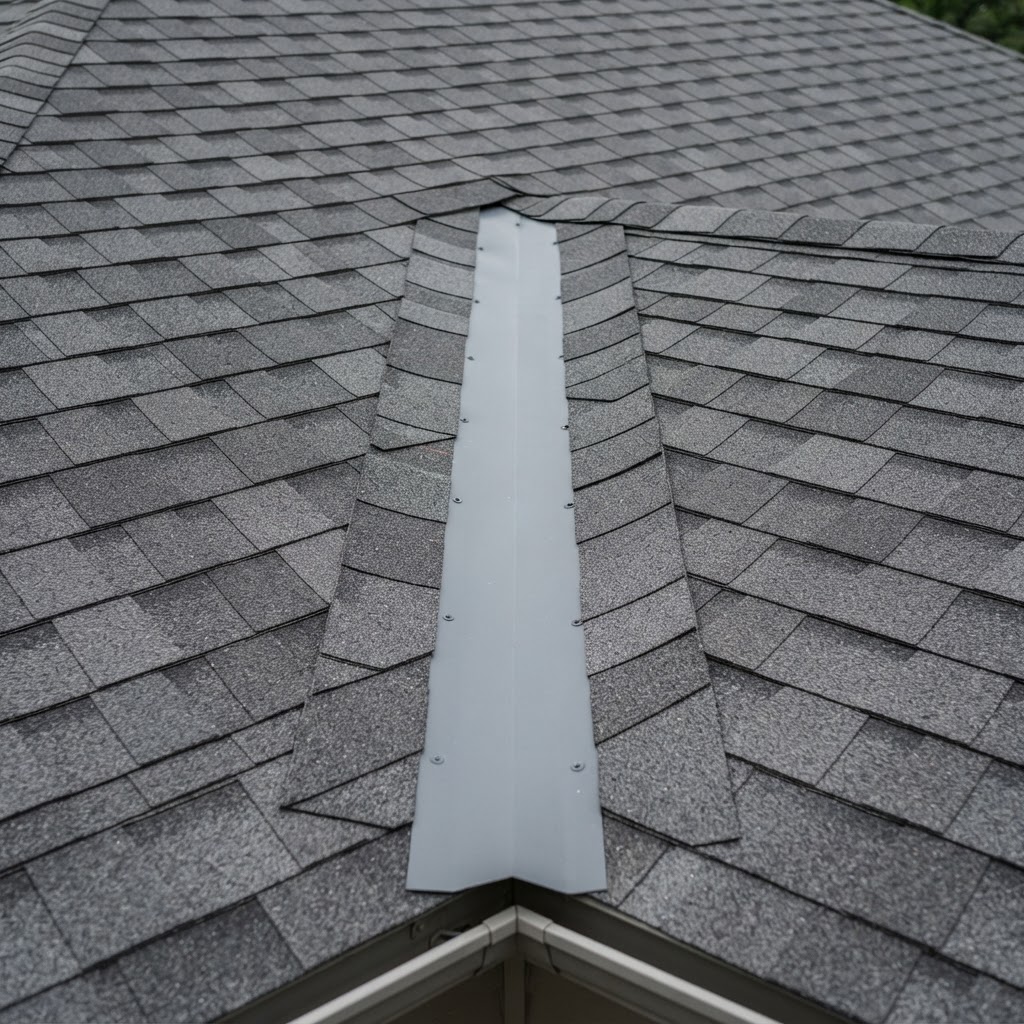
A roof valley is the V-shaped channel formed where two sloping roof planes meet. On any roof with multiple planes — which includes most Fairfax and Northern Virginia homes with dormers, additions, or complex designs — valleys are where the roof surfaces come together and funnel water.
Because valleys collect and channel water from two roof planes, they carry a large volume of water, especially during heavy rain. This makes them one of the most critical areas for proper installation and a common source of leaks when done poorly.
Why Roof Valleys Matter So Much
Valleys handle concentrated water flow, so they must be:
- Properly waterproofed to handle heavy water volume
- Correctly installed to channel water efficiently off the roof
- Protected against the wear that comes from constant water flow
- Designed to shed debris that can accumulate and cause backups
A poorly installed valley is a prime leak point — which is why valley construction is a mark of quality roofing.
The Main Roof Valley Installation Methods
There are two primary approaches to valley construction.
Open Valley
In an open valley, a metal lining is left exposed in the center of the valley channel, with the shingles stopping on either side. The exposed metal creates a smooth, durable channel for water.
- Pros: excellent water-shedding, handles heavy water flow well, sheds debris readily, durable, and often considered superior for drainage — especially on roofs with heavy water flow or steep valleys.
- Considerations: the exposed metal is visible. Some find it attractive; others prefer a uniform shingle look.
Closed Valley
In a closed valley, the shingles are woven or cut across the valley, covering the channel so no metal is exposed.
- Pros: a uniform, seamless shingle appearance that some homeowners prefer aesthetically.
- Considerations: can be more prone to debris accumulation in the valley, and relies heavily on the underlying waterproofing — proper installation is essential.
Within these two approaches there are variations in technique, but open versus closed is the fundamental distinction.
Which Valley Method Is Best for Your Home?
The best valley method depends on several factors:
- Water volume — roofs with heavy water flow or large valleys may benefit from open valleys’ superior drainage
- Roof complexity and design — complex roofs with many valleys have more to consider
- Debris exposure — homes under heavy tree cover, common in Northern Virginia, may benefit from open valleys’ better debris-shedding
- Aesthetic preference — the exposed-metal look versus the uniform shingle look
- The roof’s specific characteristics
There is no single best-for-everyone answer — the right choice depends on your particular roof, which is why professional guidance helps.
The Importance of Valley Waterproofing
Regardless of method, what is underneath the valley matters enormously.
Proper valley construction includes ice-and-water shield or an appropriate waterproofing membrane in the valley — a critical layer that protects this high-water-volume area. A valley without proper underlying waterproofing is vulnerable no matter which surface method is used.
Valleys and Northern Virginia’s Tree Cover
A local consideration: Northern Virginia’s heavy tree cover means debris accumulation in valleys is a real issue. Leaves and debris collecting in valleys can cause water to back up and lead to leaks. This is one reason the debris-shedding characteristics of the valley method matter here, and why keeping valleys clear is part of good roof maintenance.
Why Professional Valley Installation Matters
Because valleys handle so much water and are such common leak points, expert installation is essential. Whether open or closed, a valley must be properly waterproofed, correctly constructed, and expertly detailed. This is specialized work where contractor expertise directly affects whether your roof stays watertight. Sam Construction Group USA installs valleys to the highest standard.
Quality Valley Installation From Sam Construction Group USA
Sam Construction Group USA, a licensed and insured Fairfax, VA roofing and restoration contractor, installs and repairs roof valleys across Northern Virginia — with proper waterproofing, correct construction, and the right method for your specific roof. We handle these critical, high-water areas expertly, so your roof stays watertight where it matters most.
Questions about your roof valleys or a valley leak? Call Sam Construction Group USA at (571) 294-4977 for a free inspection.
Book My Free InspectionFrequently Asked Questions
What is a roof valley?
A roof valley is the V-shaped channel formed where two sloping roof planes meet. On any roof with multiple planes — including most homes with dormers, additions, or complex designs — valleys are where the roof surfaces come together and funnel water, which is why they carry a large volume of water and are a common leak point when done poorly.
What is the difference between an open valley and a closed valley?
In an open valley, a metal lining is left exposed in the center of the channel with shingles stopping on either side, which sheds water and debris well. In a closed valley, the shingles are woven or cut across the valley so no metal is exposed, giving a uniform shingle appearance but relying heavily on the underlying waterproofing.
Which valley method is better for Northern Virginia homes?
It depends on your roof. Heavy water flow and large valleys often favor open valleys’ superior drainage, and homes under heavy tree cover — common in Northern Virginia — benefit from open valleys’ better debris-shedding. Aesthetic preference and roof complexity also matter, which is why professional guidance helps.
Why does valley waterproofing matter?
Regardless of the surface method, what is underneath the valley matters enormously. Proper valley construction includes ice-and-water shield or an appropriate waterproofing membrane in the valley, protecting this high-water-volume area. Without it, the valley is vulnerable no matter which surface method is used. Free inspections: (571) 294-4977.
Valley Leaks and Valley Questions
Sam Construction Group USA, a licensed and insured Fairfax, VA roofing and restoration contractor, installs and repairs roof valleys across Northern Virginia with proper waterproofing and the right method for your roof. Call (571) 294-4977.
Book My Free Inspection