
Why Is My Roof Making Noise? Popping, Cracking & Creaking Sounds Explained
Most roof noise is thermal movement in the materials. The rest is worth a look — and the pattern is how you tell them apart.
Quick Answer: The 90-Second Summary
- Popping, cracking and creaking is usually thermal expansion and contraction — normal.
- Snow load, wind, settling and attic temperature swings are the other common sources.
- Persistent or worsening noise, especially with sagging or leaks, points to structural stress.
- New noise after a storm or heavy snow deserves an inspection, not a guess.
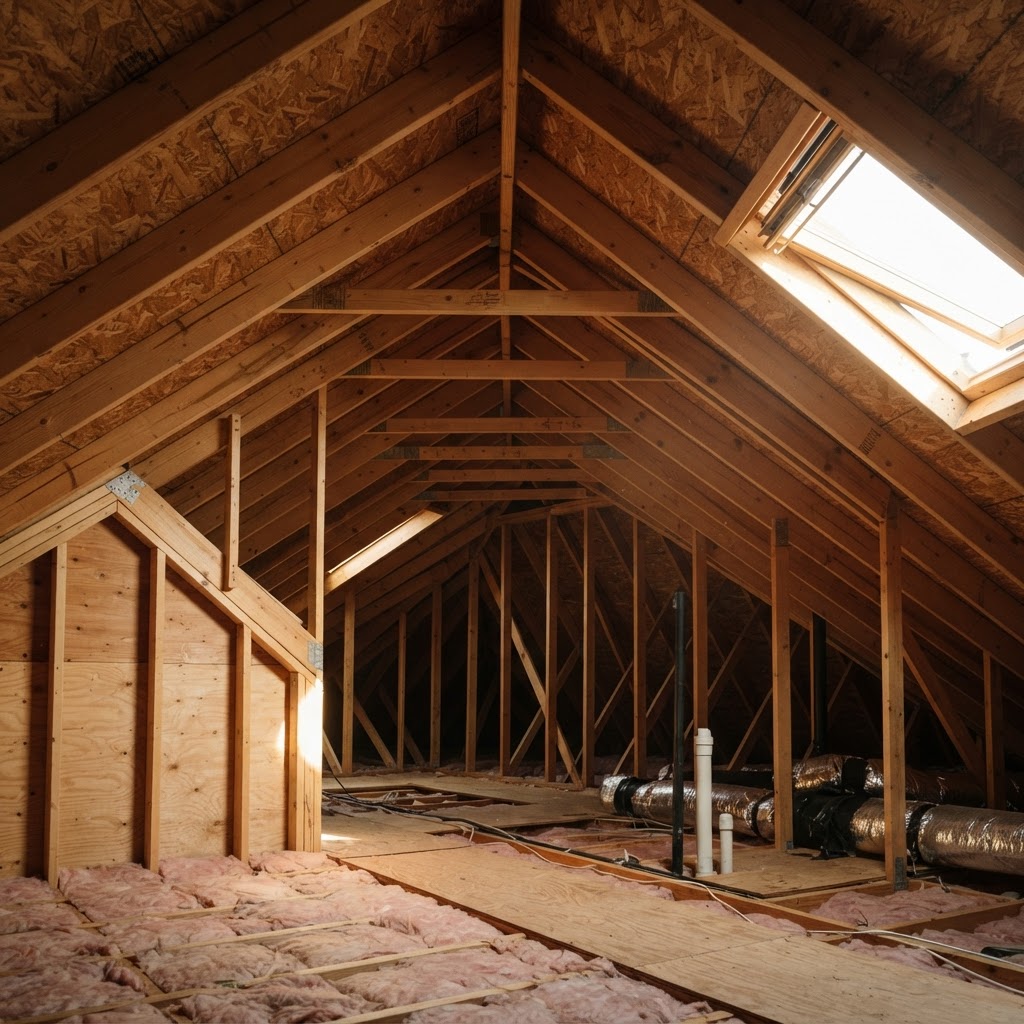
A roof that makes popping, cracking, or creaking sounds can be unsettling — especially at night or during temperature swings. Many Northern Virginia homeowners wonder, “why is my roof making noise?” The good news is that most roof noises are normal, but some warrant attention. As a licensed Fairfax, VA roofing and restoration contractor, Sam Construction Group helps homeowners understand roof sounds and identify when they signal a real problem.
The Most Common Cause: Thermal Expansion and Contraction
The leading reason a roof makes popping or cracking noises is thermal expansion and contraction. As temperatures change throughout the day and across seasons, roofing and framing materials expand when warm and contract when cool. This natural movement causes the materials — shingles, decking, framing, and fasteners — to shift slightly against each other, producing popping, cracking, or creaking sounds.
This is especially common:
- During temperature swings — morning warm-up, evening cool-down
- On hot days as the roof heats up
- During cold snaps as materials contract
- In Northern Virginia’s climate, with its hot summers and cold winters driving significant temperature changes
In most cases, these thermal noises are completely normal and not a cause for concern.
Other Common Causes of Roof Noise
Beyond thermal expansion, roof noises can come from:
- Snow and ice load — in winter, the weight of snow and ice (and shifting ice) can cause creaking and popping
- Wind — strong winds can cause loose or flapping components to make noise, or stress the roof
- House settling — the home’s structure settling can produce creaks
- Attic temperature changes — rapid attic heating and cooling drives material movement
- Trusses and framing — the roof’s structural members flexing with temperature and load
When Roof Noises Are Normal vs. a Warning Sign
Most roof noises are harmless thermal movement. But certain situations warrant professional attention.
Likely normal
- Occasional popping or cracking during temperature changes
- Sounds that come and go with hot and cold weather
- No other symptoms — no leaks, sagging, or damage
Worth investigating
- Persistent, loud, or worsening noises
- Noises accompanied by sagging of the roof or ceiling
- Sounds combined with leaks or water intrusion
- Creaking under snow load along with other stress signs — sticking doors, interior cracks
- Noises after a storm that may have caused damage
- Any sound paired with visible damage
When roof noises come with these other symptoms, they may indicate structural stress, storm damage, or a roofing problem that needs a professional inspection.
Noise that appears with the first warm afternoon and fades overnight is almost always movement. Noise that starts with a storm, a heavy snow, or a new stain is a symptom, not a personality quirk.
Roof Noise and Snow Load in Northern Virginia Winters
In winter, roof noises deserve extra attention. The weight of snow and ice can stress the roof structure, and creaking or popping combined with sagging, interior wall cracks, or doors that suddenly stick can be a warning sign of excessive snow load. If you hear concerning roof noises during a heavy snow, take them seriously and contact a professional.
Roof Noise After a Storm
If your roof starts making new noises after a storm, it is worth a professional inspection. Wind can loosen or damage roofing components, and a new sound may be the roof telling you something shifted or was damaged. Storm-related roof damage is often subtle, so an inspection confirms whether there is an issue.
What to Do About Roof Noises
- Do not panic — most roof noises are normal thermal movement
- Note the pattern — do the noises come with temperature changes, or with other symptoms?
- Watch for warning signs — sagging, leaks, cracks, sticking doors
- Get a professional inspection if noises are persistent, worsening, or accompanied by other symptoms, or after a storm or heavy snow
- Do not climb on the roof yourself to investigate — leave that to professionals
Why a Professional Inspection Settles It
If you are unsure whether your roof noises are normal or a warning sign, a professional roof inspection from Sam Construction Group settles the question. We assess the roof’s condition, structure, and any signs of stress or damage — giving you peace of mind if it is normal thermal movement, or catching a real problem early if it is not.
Hearing something new up there? An inspection answers it faster than guessing.
Request a Free Roof InspectionFrequently Asked Questions About Roof Noises
Frequently Asked Questions
Is it normal for a roof to make popping sounds?
Yes — popping and cracking from thermal expansion and contraction is very common and usually normal, especially during temperature changes.
Should I worry about my roof creaking in winter?
Occasional creaking is normal, but creaking combined with sagging, interior cracks, or sticking doors during heavy snow can signal snow load stress. Have it checked.
When should I call a roofer about roof noise?
When noises are persistent, loud, worsening, or accompanied by leaks, sagging, or visible damage — or after a storm.
Can I investigate the noise myself on the roof?
No. Never climb onto the roof to investigate. Roof surfaces are slippery, edges are deceptive, and the sound usually needs an attic inspection first anyway.
Not Sure What Your Roof Is Telling You?
Sam Construction Group, a licensed and insured Fairfax, VA roofing and restoration contractor, inspects roofs across Northern Virginia and helps homeowners understand whether roof noises are normal or a sign of a problem. Call (571) 294-4977 for a free inspection.
Request a Free Roof Inspection